Your cabin is your retreat, your investment, and probably the place where your best memories happen. But that peaceful getaway needs consistent care to stay in top shape. A solid maintenance routine prevents small issues from becoming expensive headaches and keeps your cabin ready for those spontaneous weekend escapes.
This is the ultimate annual maintenance guide for cabin owners, designed to walk you through every critical area of your property. We’ll cover everything systematically, so you know exactly what to check and when to do it.
Exterior Siding
Your cabin’s outer shell takes a beating from the elements year-round. Different materials require different approaches, so let’s break this down by type.
Real Wood Siding
Real wood siding gives your cabin that classic look, but it’s also the highest-maintenance exterior. First, you must inspect every board each spring for rot, warping, or insect damage. You must also repaint or restain the wood every two to five years, depending on your climate. High-altitude or lakeside cabins face harsher conditions and may need refreshing more frequently. Additionally, clean your siding annually with a gentle pressure washer (keep it under 1,500 PSI) to remove dirt and mildew before they penetrate the wood.
Vinyl Siding
Vinyl requires much less fuss than wood. Keep up with annual inspections to check for loose panels or cracks. And wash your vinyl siding once a year using a soft brush and a mixture of water with mild detergent. Whether you install Timbermill’s lap board siding or imitation log siding, it’s all vinyl that won’t demand entire weekends of your labor to maintain.
Metal Siding
Metal siding is tough, but it rusts easily, so it requires the most inspection work. Walk around your cabin twice yearly, looking for scratches, dents, or spots where the protective coating has worn away. Touch up these areas immediately with appropriate metal primer and paint.
Additionally, clean metal siding annually to remove corrosive substances like bird droppings or tree sap. A simple rinse with your garden hose usually does the trick.
Stone Wainscoting
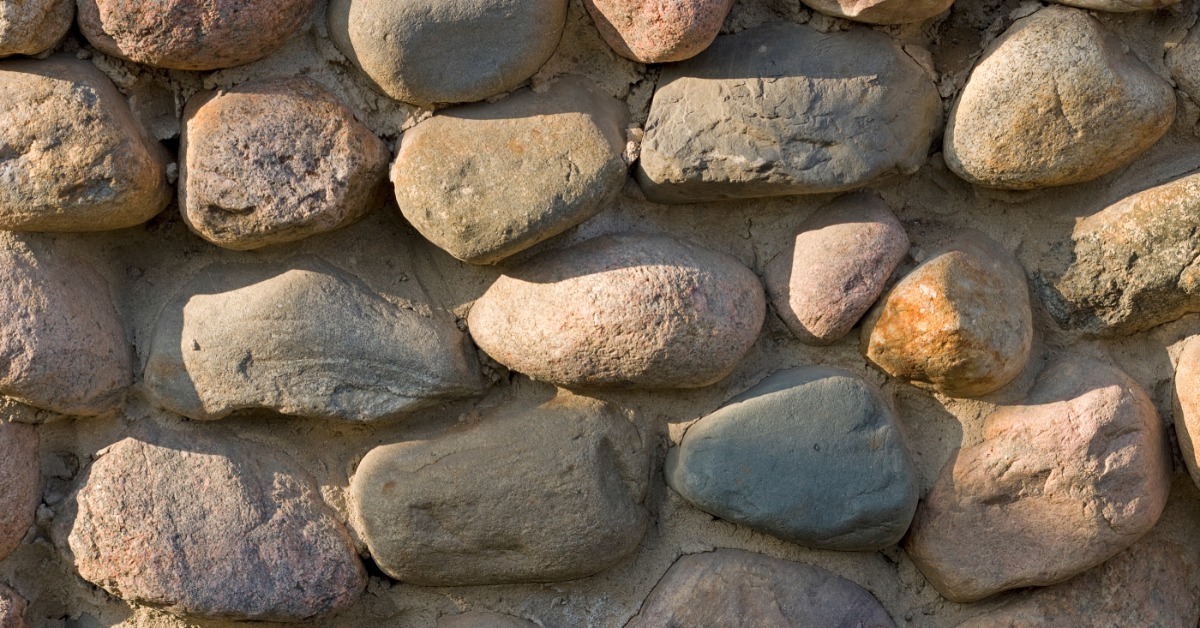
If your cabin has that classic stone wainscoting on its exterior, then it has its own maintenance needs. Inspect the mortar joints annually, as water infiltration through cracked mortar can damage the wall structure behind the stone. Repoint any deteriorating mortar before winter arrives.
Every spring, clean stone surfaces using a stiff brush and water. Avoid pressure washing at close range since this erodes mortar joints. And lastly, seal natural stone every few years with a breathable masonry sealer to protect against moisture while allowing the wall to dry out properly.
Roofing System
Your roof protects everything beneath it, making it another of your most critical maintenance priorities.
Asphalt Shingles
Most asphalt roofs last 20–30 years, but individual shingles sometimes fail earlier. Examine your roof each spring and fall for missing, curling, or damaged shingles. Replace damaged shingles immediately—one missing shingle exposes your roof deck to water damage.
You should also clear debris from valleys and around chimneys where it accumulates and traps moisture. And lastly, schedule a professional inspection every three to five years to catch problems you might miss from ground level.
Metal Roofing
Metal roofs last longer than asphalt but still need your careful attention. Check all fasteners and screws annually; they work loose over time as the metal expands and contracts. Tighten any loose fasteners and replace missing ones with matching screws that include rubber washers.
Be on the lookout for rust eating away at the metal. And as with asphalt roofs, remove accumulated leaves and debris, particularly around roof penetrations.
Gutters and Downspouts
Clogged gutters overflow and send water cascading down your walls and into your foundation. Clean your gutters twice yearly (at least). A good schedule is once in late spring and again in late fall, as this is when the most debris will have collected.
Moreover, check that downspouts direct water at least 6 feet away from your foundation. Extend them with splash blocks or underground drains if necessary. And if your cabin is in a forest or near trees, install gutter guards. These devices keep water running smoothly for longer, even if the gutter channels and outlets are filled with debris.
Foundation and Crawlspace
Your cabin’s foundation supports everything above it, so it must be on your maintenance checklist.
Foundation Walls
Foundation walls are the vertical structural walls—typically concrete—that sit on footings and support a building while separating the interior from the surrounding soil. Most buildings nowadays, including cabins, have them.
Foundations can settle and shift as the soil does, and this can cause cracking that puts your cabin at structural risk. Look for these fissures, noting the ones that are particularly large or developing quickly (these need professional inspection).
And make sure you grade the soil around your foundation so it slopes away from the walls. This will help to prevent water from pooling and infiltrating the concrete.
Crawlspace Inspection
Does your cabin have a crawlspace? If so, visit it twice yearly with a good flashlight. Check floor joists for rot and insect damage, and look for standing water or damp soil, which indicates drainage problems.
Next, inspect your vapor barrier—the plastic sheeting covering the crawlspace floor—for tears or areas where it has pulled away from the walls. Repair gaps immediately to prevent moisture problems.
Heating and Cooling Systems
Remote cabins can get quite cold in winter and hot in the summer, so you want to make sure your heating and cooling systems are up to snuff.
Wood Stove or Fireplace
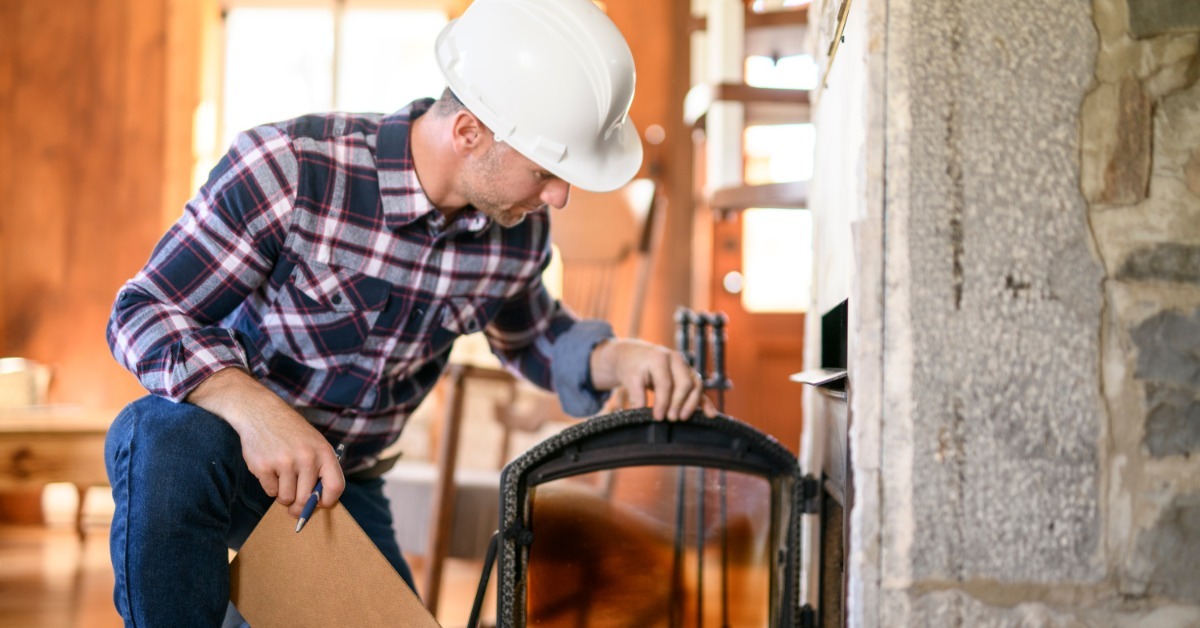
Do you have a classic wood stove or fireplace in your cabin? It also needs maintenance.
First, remember to clean your chimney annually before heating season begins. Creosote buildup can cause chimney fires. Hire a certified chimney sweep if you burn wood regularly—this is not a DIY job.
Next, inspect the firebox for cracked firebricks or damaged refractory panels. Check the door gasket and replace it if it’s compressed or torn. A proper seal improves heating efficiency and prevents smoke from entering your cabin.
HVAC Systems
Many modern cabins have HVAC in addition to traditional heating solutions. If so, change or clean air filters monthly during heavy use periods. Dirty filters force your system to work harder and reduce its lifespan.
Schedule professional maintenance annually. Have your cooling system serviced in spring and your heating system checked in fall.
For the outdoor units, clear brush and debris away as necessary. Trim vegetation to maintain at least 2 feet of clearance around the unit on all sides.
Final Thoughts
Being a cabin owner takes effort, but by following this ultimate annual maintenance guide, you can make the work a bit more straightforward. For one, you’ll catch small problems before they become major expenses. But more importantly, you’ll spend less time worrying about repairs and more time enjoying everything your cabin has to offer.