So, you took the plunge and decked out your home with Timbermill’s vinyl log cabin siding. Nice! Your place is probably the talk of the neighborhood, with that rustic, cozy vibe that looks just like real cedar but without all the hassle. You chose our siding because you wanted that killer curb appeal and low-maintenance lifestyle.
Now, low maintenance doesn’t equal no maintenance. But the good news is that vinyl is incredibly easy to take care of. Compared to the staining, sealing, and other work that real wood needs, Timbermill’s siding demands so much less of your time. But like everything in the world, it needs a little bit of occasional care to keep its beautiful look and continue serving your home as best as possible.
This guide will walk you through everything you need to know about maintaining your vinyl log cabin siding. We’ll cover routine cleaning, tackling tougher stains, and what to look out for during your yearly inspections. And don’t worry—it’s all perfectly manageable.
The Lowdown on Routine Cleaning
Over time, your vinyl siding will collect a bit of dust, pollen, bird droppings, and general grime from the environment. It’s totally normal. A simple annual wash is usually all it takes to handle this buildup. The best time for this is a mild, overcast day, which prevents the cleaning solution from drying too quickly and leaving streaks.
Gearing Up for the Wash
You don’t need a bunch of fancy equipment to get the job done. In fact, you probably have most of what you need already. Here’s a quick list of what to grab:
- a garden hose with a spray nozzle
- a bucket
- a soft-bristle brush with a long handle, or a soft cloth
- a gentle cleaning solution (more on this below)
- gloves and safety glasses, because safety first, always!
Mixing Your Cleaning Solution
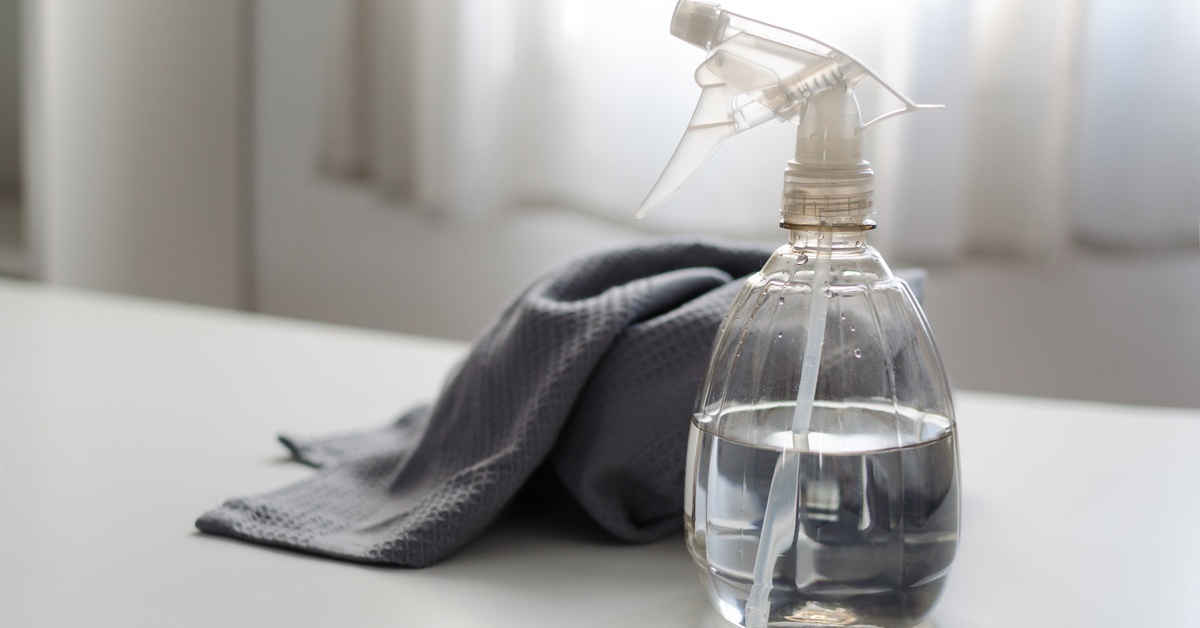
You don’t need to buy some expensive, specialized cleaner. A simple, homemade solution works wonders and is safe for your Timbermill vinyl siding. Your best bet is to mix a solution of 70 percent water and 30 percent white vinegar. This combination is great for cutting through light dirt and mildew without damaging the siding’s surface.
You can also whip up a mild soap solution. Just mix a small amount of laundry detergent or dish soap with a gallon of warm water. Remember to choose a cleaner that is non-abrasive. You want to clean your siding, not scratch it all up.
The Cleaning Process, Step-by-Step
Got your gear and your cleaning mix ready? Awesome. Here’s how you can tackle the cleaning process.
Rinse It Down
Start by giving your siding a good rinse with the garden hose. Work from the top down to wash away any loose dirt and debris. This step prepares the surface for a deeper clean.
Scrub-a-Dub
Dip your soft-bristle brush into the cleaning solution and gently scrub the siding. It’s best to work in small, manageable sections to ensure the cleaner doesn’t dry on the surface before you get a chance to rinse it off.
Final Rinse
Once you’ve scrubbed a section, rinse it thoroughly with the hose before moving on to the next. Again, work from the top down to make sure all the soap and grime are washed away completely.
Let It Dry
Let the siding air-dry, or if you’re feeling particularly ambitious, you can wipe it down with a soft towel.
A Note on Pressure Washers
What about a pressure washer, you ask? You can use one, but you have to be super careful. Using too much pressure or aiming the water at an upward angle can force water behind the panels. This situation might create moisture problems down the road. If you do opt for a pressure washer, use a low-pressure setting, keep the nozzle at a safe distance, and always spray straight on or with a slight downward angle.
Dealing With Tougher Stains
Sometimes, you’ll run into stains that your general cleaning solution just can’t handle. Don’t sweat it. Whether it’s mold, mildew, or a mystery mark, there’s usually a simple fix.
Mold and Mildew
That 70/30 water-and-vinegar mix is your first line of defense against mold and mildew. For any stubborn spots that remain, you can use a store-bought cleaner specifically designed for removing mold and mildew from vinyl. Just make sure to follow the manufacturer’s instructions carefully and test it on a small, inconspicuous area first.
Other Stubborn Stains
What about other weird stains like grease, ink, or crayon from your kid’s last art project? There are specific household cleaners you can use for these situations.
For example, a dab of rubbing alcohol can be effective for ink stains. Likewise, a gentle, non-abrasive all-purpose cleaner might work on grease. The key is to address these stains as soon as you spot them and to always test your cleaner on a hidden spot first.
And again, never use abrasive cleaners, steel wool, paint remover, or nail polish remover, as these will permanently damage the finish of your siding.

Performing Annual Inspections
Your Timbermill siding is tough, but it’s still a good idea to give it a once-over every year or after harsh weather.
What To Look For
During your inspection, keep an eye out for these specific things:
- Loose or damaged panels: Check to see if any siding panels have come loose or appear cracked.
- Signs of moisture: Look for any signs of water getting behind the siding, especially around windows, doors, and the J-channels or finish trim you installed.
- Warping or buckling: Our siding is designed to resist warping, but extreme heat or improper installation could potentially cause it.
If you find a damaged panel, don’t worry. One of the great things about vinyl siding is that you can replace individual pieces without having to redo the entire wall. You can order replacement planks and trim pieces directly from us.
Protect Your Investment
You chose Timbermill’s vinyl log cabin siding for its beautiful, authentic wood look and its promise of low maintenance. By following these simple maintenance steps, you’ll keep your siding looking as fantastic as the day it was installed.
And if you need to replace your vinyl lap siding or any other part of your setup, then remember to come back to our store. We always keep the parts you need in stock so you can install and repair the world’s most beautiful vinyl siding with complete peace of mind.