Thinking about giving your home a facelift by re-siding it? New siding can completely transform your home’s look, boost its curb appeal, and even increase its value. But it’s also a big project with plenty of pitfalls, and we know you don’t want to spend a lot of money only to end up with a mess that needs fixing in a few years.
A re-siding job is your chance to protect your home, improve its efficiency, and make it look fantastic for decades. To help you get it right the first time, we’ve put together a list of the seven biggest mistakes to avoid when re-siding your house. Let’s dive in!
1. Picking a Trendy Design You’ll Dislike in Five Years
That electric lime green vinyl might look cool in a magazine, but are you still going to love it when it’s staring you in the face every day for the next 20 years? Siding is a long-term commitment, so it’s usually best to steer clear of super bold, of-the-moment colors and designs.
Stick with timeless styles that have staying power. Wood is a popular choice for this reason, but it comes with a host of maintenance troubles. If you want the classy look of wood without any of the hassle, consider the cedar plank vinyl siding from Timbermill. Its synthetic material resists moisture, rot, and pests. Plus, you can’t even tell it’s not wood from a distance, thanks to its thoughtfully designed texture and coloring.
After re-siding your home with this timeless material, you can decide where you want to inject a bit of color. Choose places that are easy to undo in the future, such as your front door, shutters, trim, or even your mailbox. Those are much easier and cheaper to repaint when you’re ready for a change.
2. Forgetting About Maintenance Requirements
Once you’ve spent thousands of dollars and weeks of your life re-siding your house, the last thing you want to do is sign up for a lifetime of scraping, painting, and sealing. Different siding materials require vastly different levels of upkeep. Real wood siding, as we just mentioned, looks beautiful but demands regular staining or painting to protect it from moisture, insects, and rot.
This is where vinyl siding truly shines. Timbermill’s vinyl siding is designed to be maintenance-free. It’s made from high-quality, weather-resistant vinyl that is unaffected by moisture and impervious to wood-boring insects. You get that authentic, rustic cedar look without ever having to pick up a paintbrush again.
3. Overlooking the Importance of Quality Installation
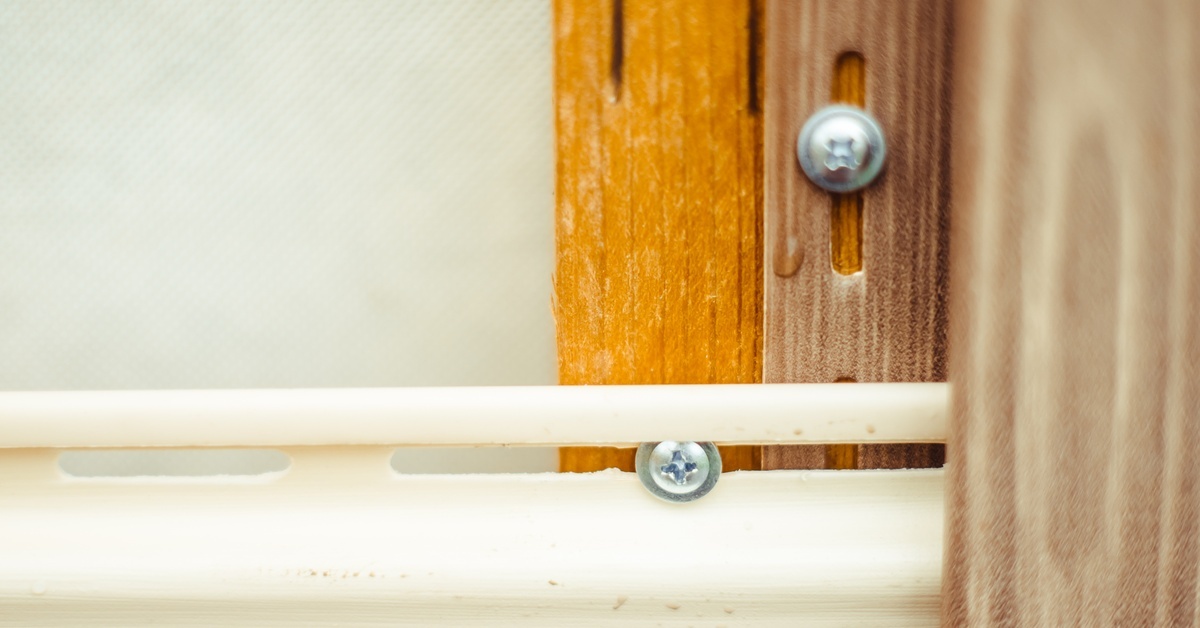
You can buy the most expensive, top-of-the-line siding on the market, but if it’s installed poorly, it’s going to fail. Bad installation can cause all sorts of problems, including buckling panels, moisture leaks, poor insulation, and a voided warranty. This is not a place to cut corners.
Therefore, you either want to hire reputable, experienced contractors or buy siding that is designed for DIY installation. If you go the contractor route, ask for references, check their portfolio, confirm they’re licensed and insured, and get a detailed contract in writing. A good installer knows the specific requirements for the product they’re using, like proper nailing techniques and leaving room for expansion and contraction. They’ll make sure your investment is protected.
If you go the DIY route, then buy from a brand that makes its products with customer installation in mind. This is the case at Timbermill, where all our siding planks and accessories are easy to set up with our detailed, user-friendly instructions.
4. Failing To Inspect What’s Underneath
New siding is like a new outfit for your house. But just like you wouldn’t put on fancy clothes without cleaning up first, you shouldn’t start this exterior remodel project without addressing potential underlying concerns.
Fortunately, tearing off your old siding gives you a golden opportunity to inspect the sheathing and framing underneath. Look for signs of water damage, rot, mold, or pests. These are issues you need to address before any new siding goes on to save you from massive, expensive structural repairs later. It might add a little to your upfront cost, but it’s crucial for the long-term health of your home.
5. Skimping on Insulation
While you have the walls open, why not add or upgrade your insulation? Proper insulation is a game-changer for your home’s energy efficiency. It helps keep your house warmer in the winter and cooler in the summer, which means lower utility bills and a more comfortable living space.
Adding a layer of rigid foam insulation or a house wrap before installing the new siding is a smart move. It creates a thermal break, reducing energy loss through the wall studs. This small extra step can make a huge difference in your home’s performance and your wallet.
6. Not Ordering Samples First
Computer screens can be deceiving. The color that looks like a perfect warm gray online might show up with weird purple undertones in person. That’s why you avoid ordering your siding without seeing a physical sample first.
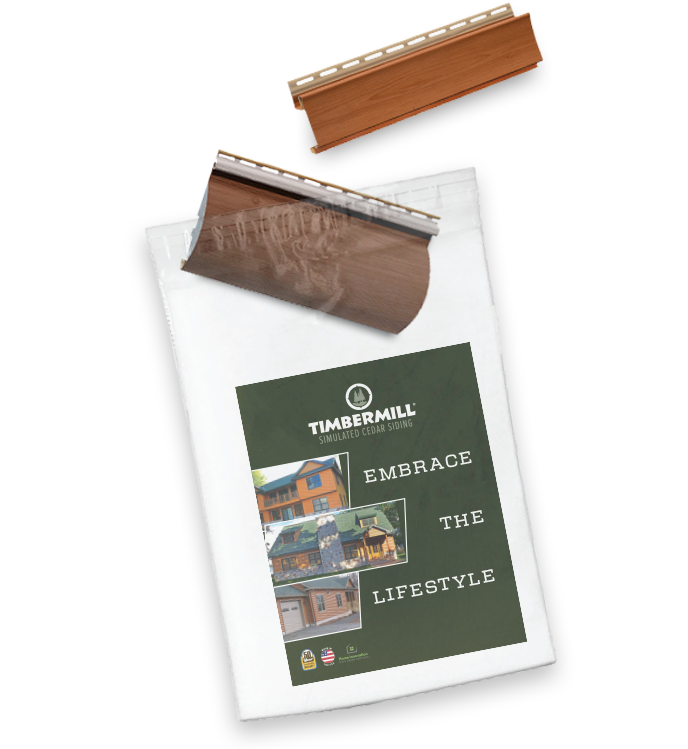
And don’t just glance at it in the box. Take your samples and hold them up against your house. Look at them at different times of day—in the bright morning sun, in the afternoon shade, and in the evening. This is the only way to get a true feel for how the color and texture will look on your home and with your existing roof, trim, and landscaping. At Timbermill, we make this easy by letting you request a sample kit right from our website.
7. Ignoring the Warranty

A strong warranty is your safety net. It shows that the manufacturer stands behind their product. So before you buy, read the warranty documents carefully. What does it cover? How long does it last? Is it transferable if you sell your home? A weak or non-existent warranty is a major red flag.
If you buy from Timbermill, you buy with peace of mind. We provide a 50-year, transferable, limited lifetime warranty. It protects you against manufacturing defects, color fading, and even hail damage. That’s the kind of peace of mind you want when you’re making a major investment in your home.
Ready To Re-Side the Right Way?
Re-siding your house is a fantastic way to boost its beauty and durability, but it’s a project that requires careful planning. By avoiding these common mistakes, you can protect your investment and enjoy a stunning, low-maintenance home exterior for years to come. Focus on quality materials, proper installation, and a style that you’ll love long-term.
And remember—if you’re looking for a siding that gives you the best of all worlds—the timeless beauty of cedar and the maintenance-free ease of vinyl—check out Timbermill. Request a sample kit today to see and feel the difference for yourself!